

Posted by: Focal Point Vision in Dry Eye

Dry eye flare-ups can stem from a variety of factors; a long afternoon at a laptop, a drive home with the vents on high, or a windy weekend at the lake can each push a fragile tear film into burning, gritty discomfort. In San Antonio, where air conditioning runs most of the year and mountain cedar season brings its own irritation every winter, those triggers add up fast.
Preventing flares comes down to knowing what sets your eyes off and building small, consistent habits that keep your tears working the way they should. Keep reading to learn more about seven effective ways to prevent dry eye flare-ups.
Why Dry Eye Symptoms Flare
Healthy tears have three layers. The lacrimal glands produce the watery layer, the meibomian glands along your eyelid margins add an oily layer that slows evaporation, and goblet cells supply mucus that helps tears cling to the eye’s surface. When any one of these falls out of balance, the tear film breaks apart too quickly, and the surface of the eye dries out.
Most flares involve the oil layer. Nearly 86% of patients with dry eye syndrome show signs of meibomian gland dysfunction (MGD), a condition in which thickened oils clog the glands. Without enough oil, even a normal volume of tears evaporates quickly, especially in dry or moving air.
Here are seven strategies you can use to prevent or alleviate dry eye flare-ups:
1. Add Moisture to Indoor Air
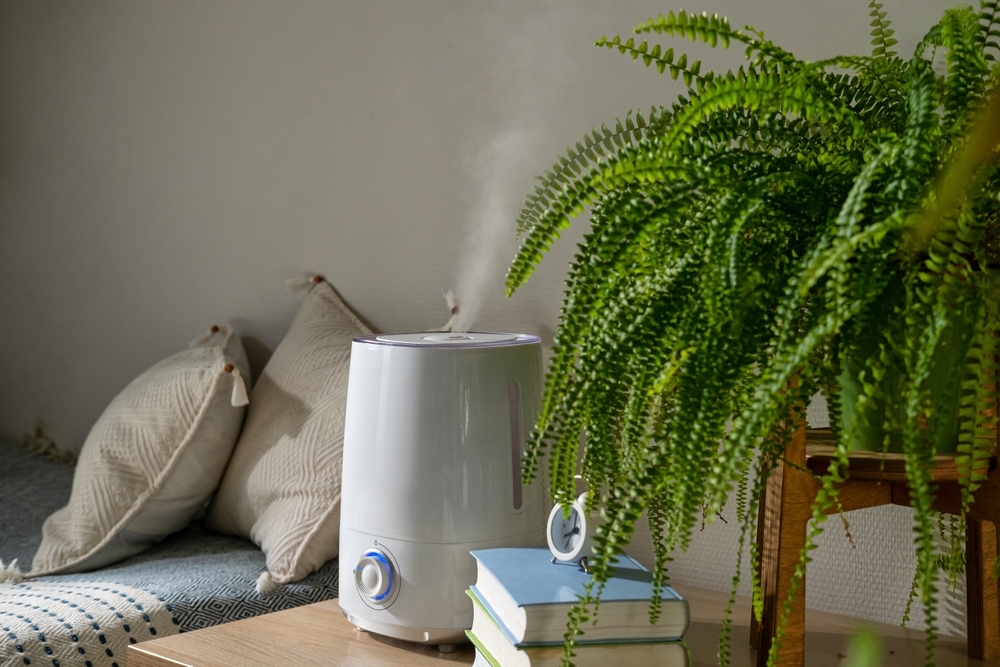
Air conditioning cools a room partly by pulling moisture out of the air, and that drier air then pulls moisture from your eyes. A cool-mist humidifier in your bedroom or home office can bring indoor humidity closer to a comfortable 40% to 50%. Point ceiling fans and car vents away from your face, since a steady stream of air across the eyes speeds evaporation. Many people who wake up with sore, scratchy eyes notice a difference once they stop sleeping under a running ceiling fan.
2. Shield Your Eyes Outdoors
Wind, dust, and bright sun all strip moisture from the eye. Wraparound sunglasses block airflow from the sides as well as the front, which makes them far more useful than standard frames on breezy days. Allergens matter too. During spring pollen season and the winter cedar months, airborne particles can inflame the eye’s surface and make dryness feel worse. Rinsing with preservative-free artificial tears after being outside washes allergens away before they can cause irritation.
3. Blink Fully During Screen Time
People blink much less often while focused on a screen, and many of those blinks are incomplete, with the upper lid never fully meeting the lower one. Each partial blink leaves part of the eye exposed and skips the gentle squeeze that pushes oil out of the meibomian glands.
The 20-20-20 rule offers a simple fix. Every 20 minutes, look at something about 20 feet away for 20 seconds. Use that pause to blink intentionally a few times. Positioning your monitor slightly below eye level also helps, because looking downward lets your lids cover more of the eye.
4. Make Warm Compresses and Lid Hygiene a Routine
Warmth softens the thickened oils that block meibomian glands. A heated eye mask designed to hold steady heat works better than a damp washcloth, which cools off within a minute or two. Apply it for about 10 minutes, then gently massage your eyelids toward the lash line to help the softened oil flow.
Follow up with a lid cleanser or hypochlorous acid spray to clear away debris and bacteria along the lashes. Consistency matters more than intensity here. The glands respond to steady daily care over several weeks, so a short routine you actually keep will outperform an occasional long session.
5. Hydrate and Eat for Your Tear Film

Tears are mostly water, so the mild dehydration that comes with a Texas summer often shows up in the eyes first. Keep a water bottle within reach during the day, and go easy on alcohol, which can leave eyes feeling drier the next morning.
Omega-3 fatty acids are a common recommendation; they can be obtained from fatty fish, walnuts, and flaxseed, support overall health, and your eye doctor can tell you whether a supplement makes sense for your situation.
6. Pick the Right Eye Drops
Redness-relieving drops shrink blood vessels on the surface of the eye, but they do little to lubricate it and can cause rebound redness with frequent use. Preservative-free artificial tears in single-use vials are a better choice for anyone using drops more than four times a day, since preservatives such as benzalkonium chloride can irritate the eye with repeated exposure. A thicker gel or ointment at bedtime adds protection overnight.
Timing makes a difference, too. Using drops before a known trigger, like a flight, a long drive, or a full day at the computer, works better than waiting until your eyes already burn.
7. Review Your Contacts and Medications
Contact lenses sit directly on the tear film and can disrupt it, and long wear days are one of the most common flare triggers. Switching to daily disposables, shortening wear time, and using rewetting drops approved for lenses can all help. Some people who struggle with contact lenses year after year eventually decide to explore permanent vision correction instead.
Several common medications also reduce tear production, including antihistamines, decongestants, some antidepressants, certain blood pressure medications, and the acne drug isotretinoin. Never stop a prescription on your own. Instead, ask the prescribing doctor whether an alternative with fewer drying effects is available.
When Prevention Isn’t Enough

Frequent flares despite good habits usually point to an underlying problem that home care cannot reach. Chronic, untreated dry eye can damage the cornea’s surface, leading to blurred vision and, over time, scarring.
The board-certified ophthalmologists at Focal Point Vision bring a cornea specialist’s perspective to dry eye care. An evaluation measures the quantity and makeup of your tears and examines your eyelids, glands, and corneas under magnification.
From there, treatment may include prescription anti-inflammatory drops or in-office procedures such as iLux and LipiFlow, which apply controlled heat and pressure to clear blocked meibomian glands.
Tired of planning your days around irritated, gritty eyes? Schedule an appointment at Focal Point Vision in San Antonio, TX.


