

Posted by: Focal Point Vision in Uncategorized

An early cataract diagnosis often catches patients off guard, especially those who have spent years living with glasses or contacts and planning to finally get LASIK. The short answer is no. Once the eye’s natural lens starts to cloud, LASIK is no longer appropriate, even if the cataract is small and your vision still feels fairly sharp.
That doesn’t mean clear, glasses-free vision is off the table. For most patients in this situation, refractive lens exchange (RLE) offers a better route, correcting the prescription and removing the developing cataract in a single procedure. Keep reading to learn why early cataracts rule out LASIK and why RLE is often the smarter long-term choice.
How Does LASIK Correct Vision?
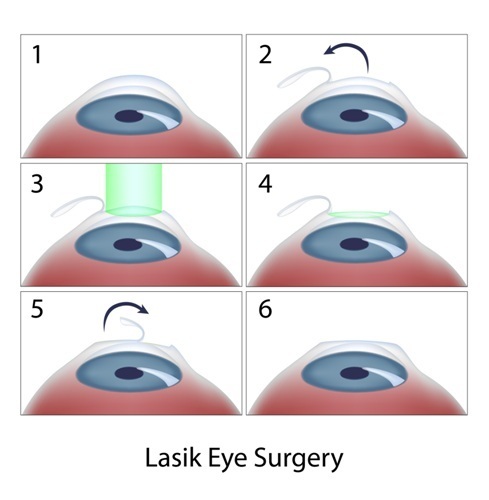
LASIK uses a laser to reshape the cornea, the clear, dome-shaped tissue at the very front of the eye. Changing the curvature of that outer surface alters how light bends as it enters, which corrects nearsightedness, farsightedness, and astigmatism.
Patients comparing LASIK versus other vision correction procedures often assume all of these treatments work on the same part of the eye. They don’t. The cornea sits in front of the eye’s internal lens, where cataracts form. LASIK does not affect the lens at all, so it cannot fix blurry vision caused by a cataract or slow one down.
How Do Cataracts Form?
A cataract develops when the natural lens, positioned behind the iris and pupil, gradually becomes cloudy. Early cataracts usually cause subtle symptoms. Headlights may produce more glare at night, colors can look slightly washed out, and reading often requires brighter light than it used to. Many patients don’t notice these changes until a routine eye exam catches them.
Nearly everyone develops some lens clouding with age. Smoking, years of sun exposure, diabetes, and long-term steroid use can all speed the process up. Cataracts also don’t progress on a fixed schedule. One that looks mild today might stay stable for a while or advance faster than expected, which is exactly why it matters so much when planning vision correction.
Why Early Cataracts Rule Out LASIK
A good LASIK candidate needs healthy eyes and a stable prescription. An eye with a cataract, even an early one, fails on both counts. The lens is already changing, and those changes affect the results LASIK is meant to deliver.
Your Prescription Won’t Stay Put
LASIK corrects the cornea to match your prescription on the day of surgery. A developing cataract keeps changing how the lens focuses light, and many patients notice their prescription shift as the cataract advances. Some become more nearsighted over time, a change sometimes called a myopic shift.
That means the precise correction LASIK provides can drift out of alignment within a few years. Patients who go ahead with LASIK in this situation risk paying for a result that the cataract partially undoes not long after healing.
LASIK Makes Future Cataract Surgery Less Predictable
Most early cataracts eventually progress to the point where cataract surgery becomes necessary. During that procedure, the surgeon removes the cloudy lens and replaces it with an intraocular lens (IOL). Choosing the right IOL power depends on accurate corneal measurements.
A cornea that has been reshaped by LASIK makes those calculations harder. Surgeons can adjust for prior LASIK, but the results tend to be less predictable than in an eye with an untreated cornea. Having LASIK now, then needing cataract surgery in San Antonio a few years later, stacks two procedures on top of each other and adds uncertainty to the second.
LASIK Doesn’t Treat the Underlying Problem
Even in the best case, LASIK only addresses the cornea. The cataract remains; it keeps developing, and the glare, faded colors, and blur that come with it continue to worsen. You would still face lens surgery down the road. Treating the cornea first simply delays dealing with the part of the eye that is actually changing.
Why Refractive Lens Exchange Is the Better Choice

Refractive lens exchange works on the lens itself. The surgeon removes your natural lens and replaces it with an artificial IOL chosen to correct your prescription. When you have an early cataract, RLE removes it in the process, so one procedure solves both problems.
The artificial lens can’t develop a cataract, which means you won’t need cataract surgery in San Antonio later. Your vision correction also stays stable, since the source of the prescription changes is gone. Instead of reshaping the cornea now and treating the lens later, RLE addresses everything at once.
RLE also opens up lens options that LASIK can’t match. Depending on your needs, the IOL can be designed to improve distance vision, reduce astigmatism, or provide a range of vision that lessens dependence on reading glasses. For patients over 40 who are already noticing near vision changes, that flexibility makes a real difference.
You may be a good candidate for refractive lens exchange if you:
- Have been diagnosed with an early cataract
- Are over 40 and noticing changes in near or distance vision
- Have a strong prescription or significant astigmatism
- Want a permanent solution rather than a procedure that may need revisiting
Recovery from RLE is typically quick. Many patients notice clearer vision within a few days and return to most normal activities soon after. The team at Focal Point Vision, a leader in advanced lens-based vision correction, walks each patient through lens choices and expectations before surgery so there are no surprises.
What to Expect During an Evaluation
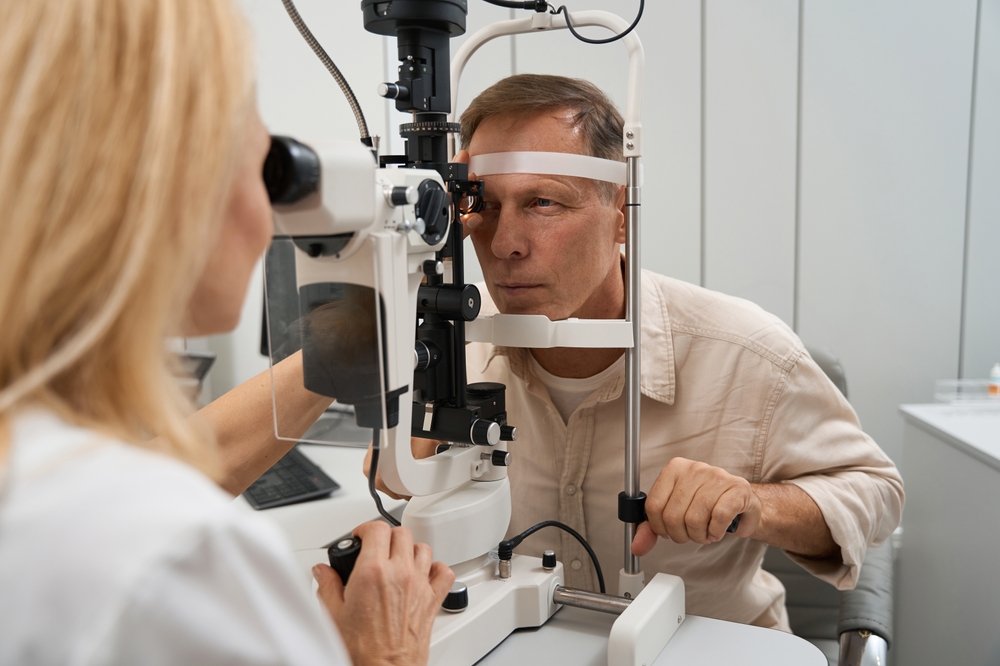
The right lens and approach depend on your specific eyes, which is why every plan starts with a thorough exam. Your eye doctor will measure the cornea, assess how much the lens has clouded, check your current prescription, and compare the results to past exams to see how quickly things are changing.
This conversation also covers your daily routine and vision goals. Someone who drives often at night, reads for work, or spends weekends outdoors may benefit from different IOL options. Two patients with similar early cataracts can end up with different lens recommendations once those details come into focus.
Raising a cataract diagnosis early, ideally during your first vision correction consultation, gives your eye doctor the most room to plan. Instead of investing in LASIK and facing a second surgery later, you can move straight to a procedure built around how your eyes are actually changing.
Wondering whether refractive lens exchange is the right fit for your eyes? Schedule an appointment at Focal Point Vision in San Antonio, TX.