
Posted by: Focal Point Vision in Cornea

The iris does more than just give your eyes their color. It constantly expands and contracts to control how much light enters the eye, helping you focus and reducing glare in bright conditions. If the iris is missing or severely damaged, whether due to a genetic condition or an injury, the effects extend far beyond appearance.
Many people experience severe light sensitivity, blurred vision, and halos that make daily activities like driving or working under bright lights very challenging. Artificial iris surgery can help restore this missing structure and bring back a sense of visual comfort. Keep reading to learn more about artificial iris surgery, including how it works, who is a good candidate, and what to expect throughout the process.
What Is an Artificial Iris?
An artificial iris is a thin, flexible device made to replace a natural iris that is missing or too damaged to work. It is custom-made to fit each patient’s eye and is placed during surgery, taking over the job of controlling how much light enters the eye. For people with aniridia, a condition in which part or all of the iris never developed, or for those who have lost iris tissue due to injury or prior surgery, this device can greatly improve daily comfort and vision.
The impact is not just physical. Many people with a damaged or missing iris also feel self-conscious about how their eyes look. An artificial iris can help restore a more natural appearance while also improving how the eye works, offering both cosmetic and functional benefits.
Who Needs Artificial Iris Surgery?
Aniridia is mostly caused by genetics. If a close family member has this condition, there is a higher chance of being born with it. Missing iris tissue means the pupil cannot shrink properly in bright light. However, genetics is not the only cause. Blunt trauma, eye injuries, or complications from previous eye surgeries can also lead to partial or total iris loss, even without a family history.
No matter the cause, the symptoms are often similar. People experience strong glare and light sensitivity, difficulty adjusting between bright and dim environments, and sometimes reduced visual sharpness, depending on how much of the iris is missing. Many say it feels like they can never escape harsh light, even indoors or on cloudy days.
How Is Artificial Iris Surgery Performed?
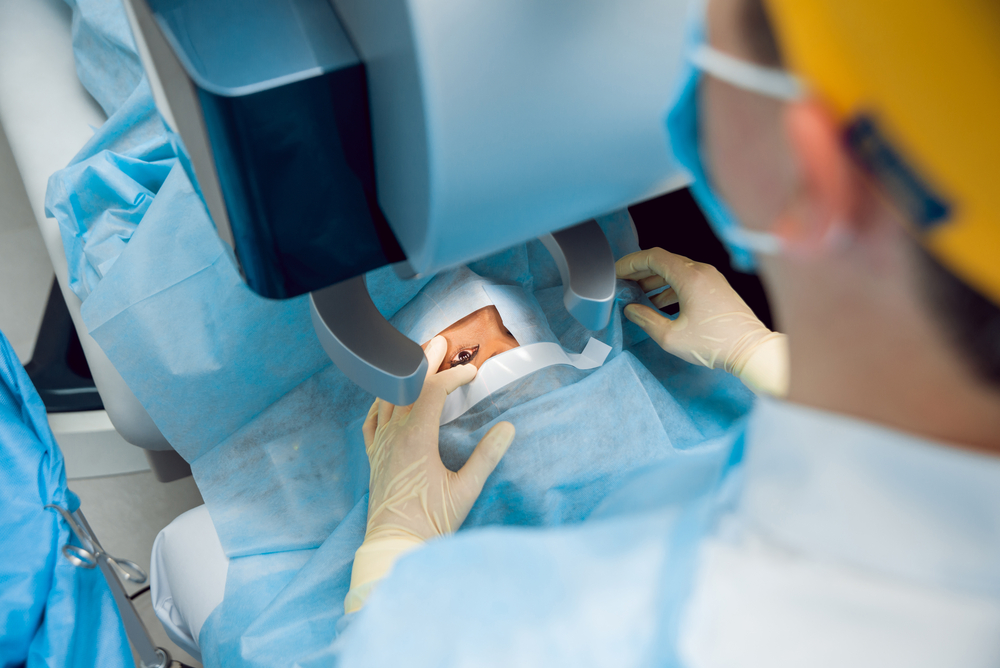
Artificial iris surgery is done with local anesthesia, so you’ll stay comfortable and awake. A small device is placed over the eye to keep it steady and prevent blinking. Your ophthalmologist then makes a small cut and gently puts the artificial iris in place. Since the material is thin and flexible, it can be folded to fit through the small opening and then unfolds inside the eye, where it is held in place by the surrounding eye structures.
Surgical time varies from patient to patient. Some procedures address only the iris, while others are combined with cataract surgery or additional anterior segment repair in the same operation, particularly when trauma has affected more than one part of the eye.
What to Expect During Recovery

Recovery after artificial iris surgery is similar to other eye surgeries. Mild discomfort, light sensitivity, and blurred vision are common in the first few days, but they usually improve over the next few weeks. Most patients use anti-inflammatory and antibiotic eye drops to reduce swelling and prevent infection as the eye heals around the implant.
Follow-up visits allow the surgical team to confirm the artificial iris is positioned correctly and that the eye is healing as expected. Patients should avoid rubbing the eye, swimming, or heavy physical strain during the initial recovery window, since pressure or trauma to a healing eye can affect how well the implant settles. Full visual benefits, including reduced glare and improved contrast sensitivity, tend to become more apparent as inflammation resolves.
Benefits of Artificial Iris Surgery
The first thing most patients notice is much less glare and light sensitivity. Where bright sunlight or indoor lights used to feel overwhelming, the artificial iris helps the eye control light more like a healthy natural iris. Besides comfort, many people also see better sharpness, contrast, and depth of focus, since the eye is no longer flooded with too much light.
There is also a cosmetic benefit. A custom artificial iris is made to closely match the color and look of a natural eye, which can make a big difference in how someone feels about their appearance after years of living with a noticeable iris problem. For many, this boost in confidence is just as important as the improvement in vision.
Is Artificial Iris Surgery Right for You?
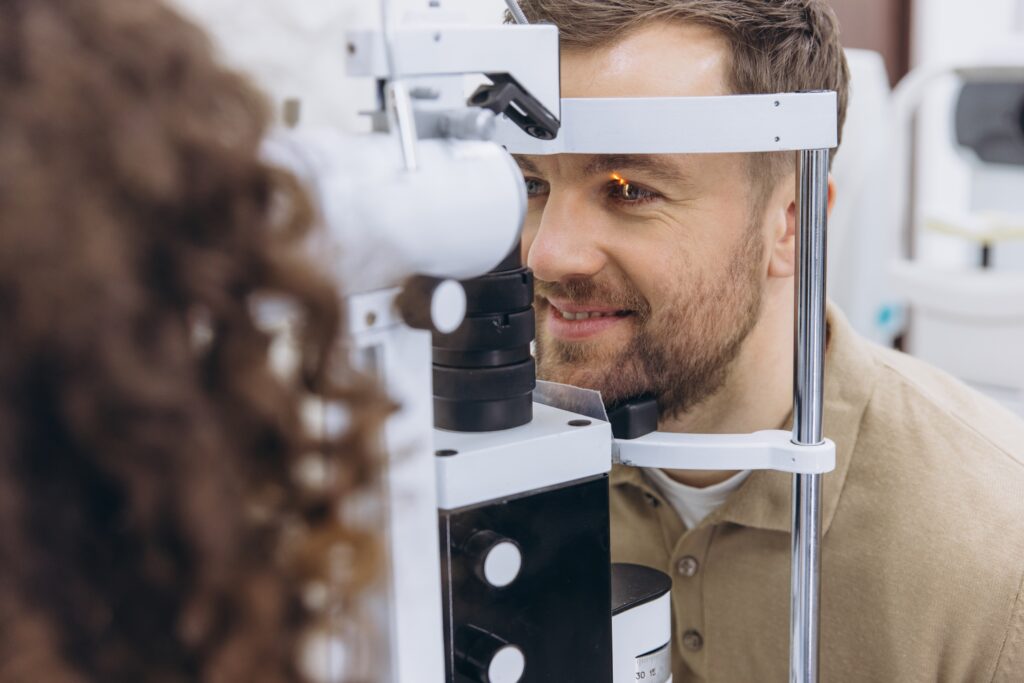
Not every case of iris damage requires surgical intervention, and the right course of treatment depends on how much iris tissue remains, what caused the damage, and whether other structures in the eye were also affected. A thorough evaluation by a board-certified ophthalmologist is the only reliable way to determine candidacy, as imaging of the cornea and anterior segment plays a major role in surgical planning in these cases.
Patients living with aniridia or a history of significant iris trauma often assume little can be done beyond managing symptoms with tinted contact lenses or dark glasses. Artificial iris surgery offers a more permanent solution, one that addresses the underlying problem rather than just symptoms.
Struggling with glare, light sensitivity, or the appearance of a damaged iris? Schedule an appointment at Focal Point Vision in San Antonio, TX.